The Fundamentals of Technology
Defining Technology
Technology extends beyond mere devices or applications; it encapsulates the organized knowledge that applies scientific insights to achieve human objectives. In essence, Technology represents a systematic method of applying theoretical knowledge for practical outcomes in various fields, ranging from communication to manufacturing, healthcare, and environmental sustainability. The word itself derives from the Greek "techne," meaning art, skill, or craft, combined with "logia," meaning study or discourse. Accordingly, it encompasses a broad spectrum of practices and innovations which shape our daily lives.
The Evolution of Technology
The historical journey of technology reveals a trajectory marked by ingenuity and adaptation. Early inventions such as the wheel and rudimentary tools represented foundational advancements that catalyzed human progress. The Industrial Revolution heralded a shift from handcrafted goods to mechanized production, significantly altering economies and social structures. As we entered the Information Age, the evolution accelerated, characterized by the rise of computers, the internet, and mobile technologies.
Each era has not just added layers to technological complexity; it has transformed how societies function and interact. For instance, broadband internet has reshaped communication, enabling instantaneous connectivity across the globe, while smartphones have consolidated multiple technologies into a singular, ubiquitous platform, changing how we access information, socialize, and conduct business.
The Role of Technology in Everyday Life
Today, technology permeates myriad aspects of daily life. From communication tools that connect families across continents to healthcare technologies that monitor and improve patient outcomes, the influence is profound. Everyday tasks have been streamlined through technological solutions: online shopping, virtual meetings, smart home devices, and social media all exemplify the convenience brought forth by technological advancements.
Moreover, technology shapes the global economy. Aspects such as e-commerce, digital marketing, and remote work are founded on technological foundations, generating new careers and reshaping existing industries. An understanding of how these technologies foster productivity and innovation is crucial for engaging with the modern economy.
Types of Technology
Information Technology
Information Technology (IT) is perhaps the most pervasive type of technology in contemporary society. It includes hardware, software, networks, and databases that facilitate the storage, retrieval, and transmission of information. IT drives the functional capabilities of businesses, offering tools for data analysis, customer relationship management, and electronic communication.
As organizations embrace digital transformation, IT infrastructure becomes increasingly sophisticated. The rise of cloud computing, for instance, allows businesses to scale efficiently while accessing flexible resources and services that were previously cost-prohibitive. Ensuring data security and managing privacy concerns are paramount challenges within this domain.
Medical Technology
Medical technology encompasses a diverse array of tools and practices affecting patient care. This includes everything from diagnostic equipment such as MRIs and CT scans to telemedicine platforms that allow healthcare providers to consult with patients remotely. Innovations in this sector promise enhanced treatment outcomes through precision medicine, robotics, and genetic therapies aimed at diseases that were once deemed incurable.
Additionally, wearable technology has gained traction, providing real-time health data that enables individuals to take proactive steps towards wellness. The balance of technology in healthcare necessitates careful consideration to meet regulatory standards and ensure patient safety while fostering clinical innovation.
Environmental Technology
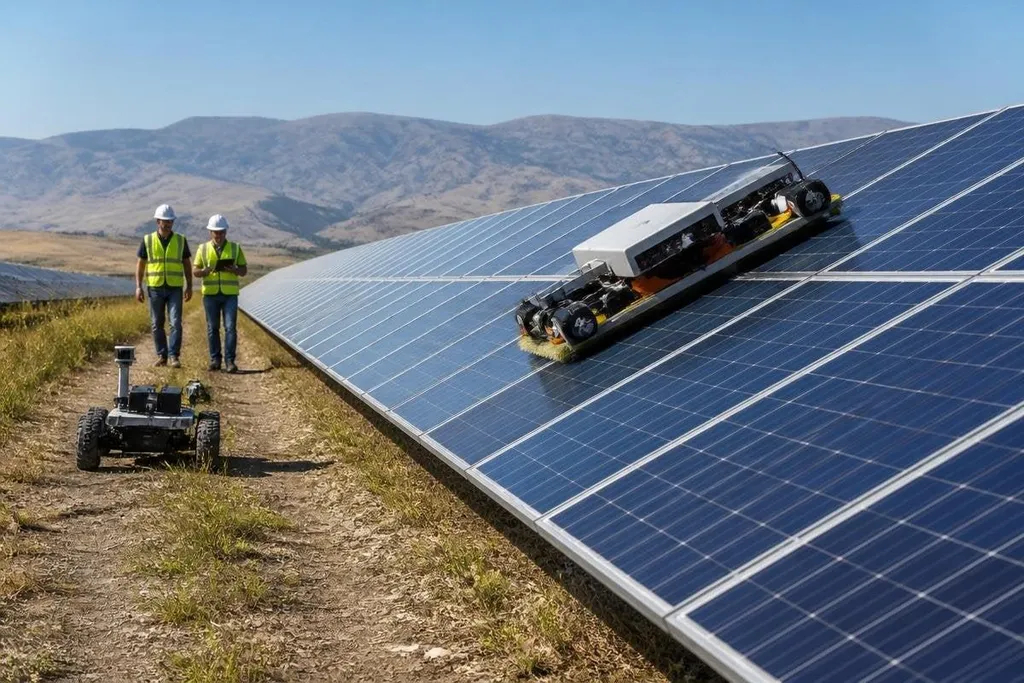
Environmental technology focuses on the preservation and restoration of the natural environment. It encompasses renewable energy solutions, waste management systems, and pollution control technologies aimed at reducing humanity's ecological footprint. Solar panels, wind turbines, and bioenergy solutions exemplify how technology can provide sustainable alternatives to fossil fuels.
As we face pressing challenges like climate change, environmental technology has never been more critical. By harnessing innovation, societies can work toward sustainability, promoting responsible resource management and the development of green infrastructure.
Challenges and Concerns with Technology
Privacy Issues
With the proliferation of digital technologies comes the heightened risk of privacy breaches and data abuses. Consumers find themselves navigating a complex landscape where personal information is constantly at risk. Privacy concerns arise from data collection practices employed by corporations, social media platforms, and various online services, which often operate without sufficient transparency.
The implications extend beyond personal discomfort; data breaches can lead to identity theft, financial loss, and erosion of public trust in institutions. Thus, individuals and organizations must advocate for stronger legislative protections and adopt best practices in data governance and security to safeguard personal information.
Job Displacement
As automation and artificial intelligence become integral to various industries, the specter of job displacement looms large. Routine tasks across manufacturing, retail, and even white-collar careers are increasingly handled by machines and algorithms. While technology creates new roles, it often necessitates different skills that the existing workforce may not possess, leading to friction in labor markets.
Investing in education and re-skilling initiatives is essential to foster workforce adaptability. Organizations should prepare current employees for the technology-driven future by offering training programs that enhance their skillsets in areas like digital literacy, data analysis, and programming.
Digital Divide
The digital divide refers to the gap between those who have access to digital technologies and those who do not. This disparity often correlates with factors like income, geography, and education, raising significant social equity issues. Access to the internet is a critical determinant for participation in the information age, impacting employment opportunities, education, and social services.
Addressing the digital divide requires concerted efforts from multiple stakeholders, including government policies aimed at improving infrastructure in underserved areas, affordable internet solutions, and educational outreach that empowers disadvantaged communities to leverage technology for social mobility.
The Future of Technology
Emerging Trends in Technology
The future holds many potential technological advancements that promise to redefine societal structures. Trends such as the Internet of Things (IoT)—where everyday objects are interconnected—will enhance efficiency and provide insightful data analytics for both individuals and organizations. Similarly, the proliferation of 5G technology is set to revolutionize connectivity, allowing for faster data transmission and laying the groundwork for other technologies such as smart cities and autonomous vehicles.
Moreover, advancements in quantum computing hold the potential to solve complex problems beyond the capabilities of classical computers. Financial modeling, drug discovery, and climate modeling could see significant transformations as these capabilities mature.
The Role of Artificial Intelligence
Artificial Intelligence (AI) is at the forefront of technological discourse today, impacting various facets of everyday life—from personalized recommendations on streaming platforms to predictive analytics in healthcare. AI's ability to process vast datasets and identify patterns positions it as a vital tool for decision-making, automation, and enhancing operational efficiencies.
Despite its advantages, AI development raises ethical dilemmas regarding bias, accountability, and the implications of autonomous decision-making. Society must navigate the challenges of deploying AI responsibly, ensuring equitable outcomes and safeguarding against unintended consequences.
Sustainable Technology Practices
The critical intersection of technology and sustainability involves practices that actively reduce environmental impacts while promoting long-term viability. Emphasizing efficiency and minimizing waste is pivotal in sectors like manufacturing, where technologies enable lean processes and resource optimization.
Adopting circular economy principles represents a shift toward sustainable practices, encouraging the reduction, reuse, and recycling of materials. In this framework, technology plays a vital role in innovating new products and services that align with sustainable development goals.
Measuring Technology’s Effectiveness
Performance Metrics for Technology Adoption
Assessing the effectiveness of technology can be achieved through various performance metrics aligned with organizational goals. Considerations might include return on investment (ROI), user engagement rates, and productivity improvements. Tracking these metrics not only helps in evaluating current technologies but also aids in strategic planning for future technology acquisitions.
Qualitative metrics, such as user satisfaction and employee feedback, are equally essential, providing insights into how technology impacts daily operations and overall organizational culture. A balanced scorecard approach can provide a holistic view of technology’s success within the business framework.
Case Studies on Technology Implementation
Case studies play a critical role in understanding the real-world applications and outcomes of technology initiatives. Analyzing how organizations successfully implemented technologies—whether through new software solutions or operational changes—can yield insights into best practices and potential pitfalls.
For instance, a retail company that employed an advanced inventory management system may share key lessons on reducing stockouts and improving sales forecasting. These case studies can serve as templates for other organizations aiming to implement similar technologies successfully.
Feedback and Continuous Improvement
A culture of feedback encourages continuous improvement in technology adoption. Actively soliciting input from users—whether through surveys, focus groups, or usability testing—can unveil areas of enhancement and inform future iterations. Furthermore, iterative processes that incorporate user feedback into technological upgrades ensure that solutions remain relevant and aligned with users’ evolving needs.
Planning for adaptability within technology frameworks not only fosters sustained usability but also enhances overall efficiency and effectiveness, ensuring that organizations can confidently navigate the dynamic technological landscape.