Understanding Event Videography
Definition and Importance of Event Videography
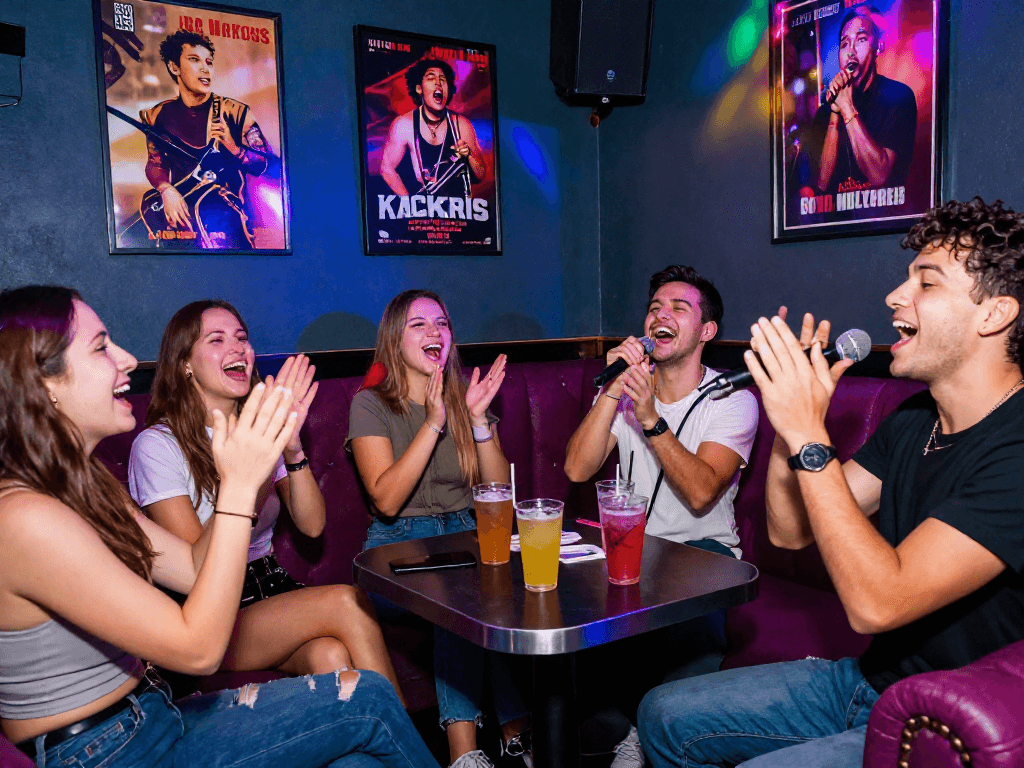
Event videography is the art and practice of capturing live events on video, transforming fleeting moments into lasting memories. This craft is pivotal in conveying the atmosphere, emotions, and essence of events ranging from weddings and corporate functions to concerts and sports. Unlike photography, videography provides a dynamic account, allowing viewers to experience the event's sights and sounds. This immersive storytelling plays a critical role not just in preserving personal memories but also in promoting businesses and events through compelling visual narratives. Understanding the nuances of event videography can enhance your ability to convey messages effectively and connect with audiences on a more profound level.
Types of Events Suitable for Videography
Event videography is versatile, encompassing a broad spectrum of occasions. Some notable types include:
- Weddings: Capturing the emotional highs and lows of a couple's big day, documenting the vows, ceremony, and celebrations.
- Corporate Events: Including conferences, product launches, and employee training sessions, where professional footage enhances brand image and marketing efforts.
- Concerts and Performances: Showcasing live music, theater, or dance, where capturing raw energy and audience reactions is crucial.
- Sports Events: Documenting competitions, team highlights, and fan interactions, often used for promotional materials or recaps.
- Personal Celebrations: Such as birthdays, anniversaries, and family reunions, where storytelling is centered on personal connections.
Essential Equipment for Event Videography
To produce high-quality video content, a videographer must rely on specific equipment. Essential gear includes:
- Camera: A professional-grade camera capable of recording high resolution is vital. DSLRs or mirrorless cameras are popular choices.
- Stabilization Devices: Gimbals or stabilizers help in reducing shake, capturing smooth, cinematic footage.
- Microphones: Quality audio is half the battle; external microphones enhance sound capture, especially in crowded environments.
- Lighting Equipment: Proper lighting can dramatically improve video quality, especially in dimly-lit settings.
- Tripods and Mounts: These are essential for steady shots, particularly during lengthy events.
Planning Your Videography Approach
Creating a Comprehensive Shot List
A successful event videography project begins with meticulous planning. Developing a shot list ensures that key moments are not missed. This list should include:
- Key Moments: Identify significant parts of the event, including speeches, performances, and candid moments.
- People: Make notes on key individuals to capture, such as hosts, speakers, or special guests.
- Specific Shots: Consider creative angles and compositions, such as close-ups, wide shots, and crowd reactions.
Coordinating with Event Planners and Clients
Effective communication with clients and event planners ensures that everyone is aligned on expectations. This collaboration is essential to understand:
- The Event's Theme: Understanding the theme helps in aligning the videography style with the event's spirit.
- Schedule Coordination: An agreed timeline is crucial for capturing specific moments without disruptions.
- Special Requests: Consider any unique client requests, ensuring those moments are prioritized in the shooting process.
Setting Realistic Timelines for Coverage
Creating a realistic timeline for capturing footage is equally important. Estimate the time needed for each section of the event to avoid overextending resources and missing important moments. Allocating time slots for key activities—and buffer periods for potential delays—ensures adequate coverage without added stress. Routinely check in with everyone involved to keep the schedule running smoothly.
Techniques for Effective Videography
Using Angles and Perspectives for Engagement
Capturing an event from varied angles engages viewers in different ways. Techniques to utilize include:
- Dynamic Angles: Experiment with low and high perspectives, which create a unique viewpoint and add excitement.
- Revealing Shots: Use shots that gradually reveal a scene to build anticipation and capture audience engagement.
- Close-Ups: Incorporate close-ups of expressive moments—faces, hands, and candid interactions—highlighting emotions.
Lighting Techniques to Enhance Footage
Lighting can make or break your footage. Effective lighting strategies include:
- Utilizing Natural Light: Schedule shooting times to benefit from natural light, particularly during golden hours.
- Adding Auxiliary Lighting: For indoor events, consider portable lights or reflectors to eliminate shadows and highlight subjects.
- Controlling Exposure: Adjust camera settings according to lighting conditions to maintain a consistent look throughout the video.
Sound Design for a Compelling Story
Clear audio is crucial in event videography. To effectively capture and design sound, consider these approaches:
- Multiple Audio Sources: Use various microphones, such as lapel mics for speakers and shotgun mics for ambient sound.
- Background Music: Plan to incorporate music that complements the mood of the footage, remembering copyright considerations.
- Sound Editing: Post-production sound design—including mixing and layering—creates a compelling auditory experience that enriches the narrative.
Post-Production Strategies
Editing Tips for Smooth Transitions
Post-production is where the magic happens in videography. Editing becomes crucial to creating a polished final product. Tips for smooth transitions include:
- Consistent Cuts: Use matching cuts to maintain the narrative flow and make transitions feel natural.
- Fade Effects: Employ fade ins/outs for smoother scene changes, helping to ease viewers from one moment to the next.
- Color Correction: Adjust lighting, contrast, and color to maintain continuity across various shots and enhance the overall visual appeal.
Incorporating Music and Sound Effects
Add dimension and emotional resonance through background music and sound effects. Choose music that fits the energy of the event and supports the storytelling. Consider layering sound effects that can highlight particular moments—like laughter, cheers, or ambient noises—to round out the viewing experience.
Delivering Final Products to Clients
The final delivery of your project requires attention to detail as much as the shooting and editing processes. Before delivering, ensure that:
- Formats are Compatible: Provide the final video in formats that are accessible to clients, keeping in mind their preferred platforms or devices.
- Navigate Copyrights: If you have used music, ensure proper rights are acquired for distribution to prevent legal issues.
- Include a Preview: Clients appreciate a preview before the final product, allowing for feedback and revisions.
Measuring Success in Event Videography
Collecting Feedback from Clients and Viewers
Gathering feedback from clients and viewers is essential for assessing the success of your work. Use surveys or follow-up interviews to understand what they appreciated, as well as areas for improvement. This information not only contributes to the quality of your future projects but also helps in building stronger relationships for referrals.
Analyzing Video Performance Metrics
Leveraging analytics tools can help measure the performance of your videos after delivery. Pay attention to metrics such as:
- View Count: Indicates overall reach and interest in the content.
- Engagement Rates: Analyze likes, comments, and shares to understand audience reactions.
- View Duration: Track how long viewers are engaged with the video, providing insight into content effectiveness.
Strategies for Continuous Improvement
Continuous improvement should be a routine part of your videography practice. Regularly assess your work against client feedback and performance metrics. Incorporate lessons learned into future projects—this iterative approach fosters growth and helps you stay ahead in a competitive market.
FAQs
What types of events can benefit from videography?
Virtually any event can benefit from videography, including weddings, corporate functions, concerts, and personal celebrations, as it captures memorable moments.
How can I choose the right videography style for my event?
Choose a videography style that matches the event’s theme and mood by looking at past examples, discussing preferences with the videographer, and considering creative concepts.
What is the average cost of event videography services?
The cost varies based on event duration, complexity, and equipment used, typically ranging from several hundred to several thousand dollars.
How long will it take to receive the final video?
Final video delivery timelines vary; most videographers specify a turnaround time, usually within 2 to 6 weeks after the event.
Can I use my own music in an event video?
While you can suggest music, ensure you have the necessary permissions or licensing rights to avoid copyright issues in the final video.