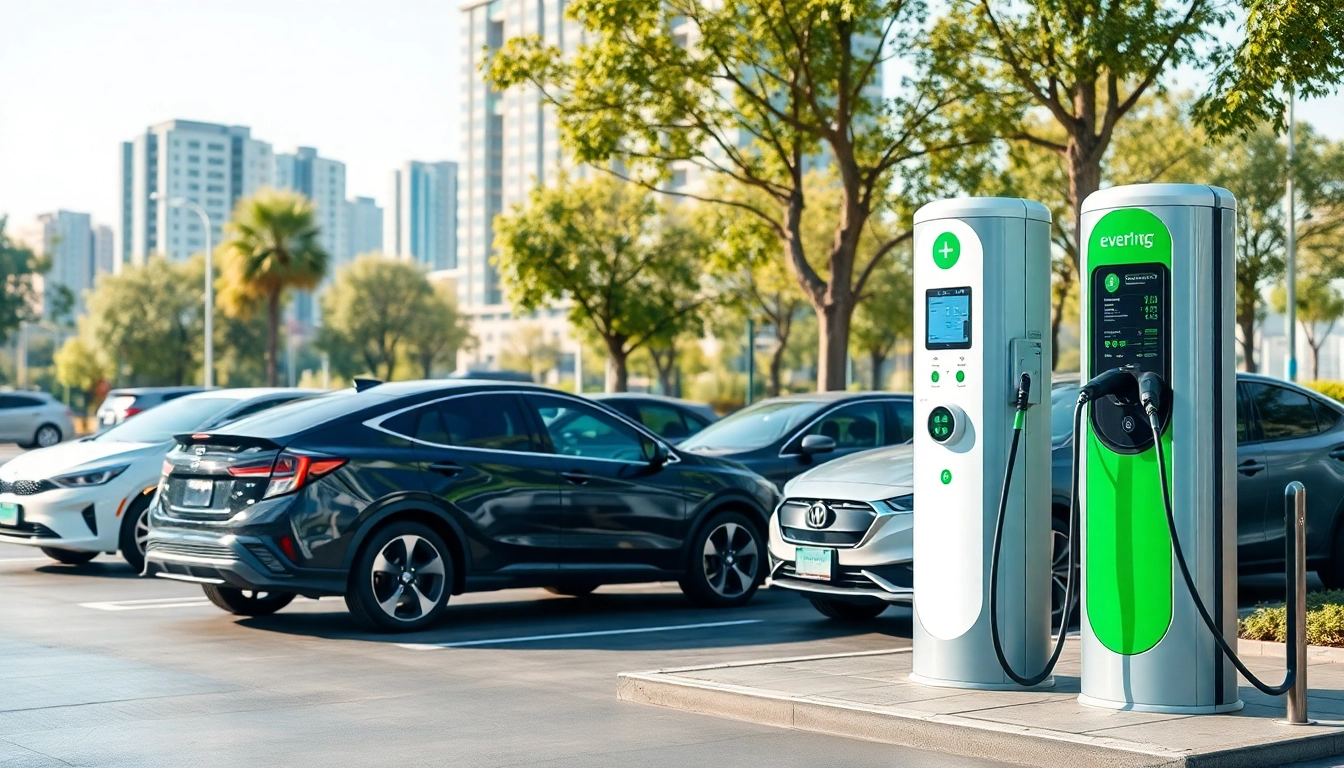
Understanding EV Charging Solutions
As electric vehicles (EVs) become more mainstream, the demand for effective EV charging solutions grows exponentially. These solutions are essential for facilitating the convenience and accessibility of charging for EV users, whether at home, in commercial settings, or in public locations. This article delves into the various aspects of EV charging solutions, looking at their types, benefits, and future trends.
What are EV Charging Solutions?
EV charging solutions refer to the systems and infrastructure put in place to recharge electric vehicles. This can include home charging stations, public charging networks, and fast charging capabilities. The range of EV charging solutions adapts to the needs of individual users, fleets, and commercial enterprises, making it possible for EV drivers to recharge their vehicles conveniently and efficiently. In essence, these solutions encompass the technology, equipment, and infrastructure necessary to power electric vehicles.
Benefits of EV Charging Solutions
Investing in EV charging solutions presents several benefits:
- Convenience: Charging your vehicle at home or at nearby locations adds a level of convenience that traditional fueling stations lack.
- Environmental Impact: Utilizing renewable energy sources for powering EVs contributes positively to reducing carbon emissions.
- Cost Savings: While upfront costs exist, the lower operational costs of electric vehicles often lead to savings in fuel and maintenance.
- Increased Accessibility: Public charging networks drive greater accessibility for EV users, aiding in reducing range anxiety and enhancing overall electric mobility.
Types of EV Charging Solutions Available
EV charging solutions can be categorized into various types based on charging capabilities and locations:
- Level 1 Chargers: These are standard home charging solutions using a regular household outlet, providing moderate charging times.
- Level 2 Chargers: Often found in both residential and commercial settings, these chargers utilize a dedicated circuit, allowing for faster charging compared to Level 1 options.
- DC Fast Chargers: These chargers deliver rapid charging capabilities and are primarily located in public charging stations. They can recharge an EV significantly in less than an hour.
- Wireless Charging Solutions: A developing technology that enables EVs to charge without physical connections, enhancing user experience.
Choosing the Right EV Charging Solution
When it comes to selecting the most appropriate EV charging solution, various factors dawn upon the decision-making process. Understanding these factors is crucial for both personal users and businesses looking to incorporate EV charging into their operations.
Factors to Consider for EV Charging Solutions
Several key factors should guide the selection of EV charging solutions:
- Charging Speed: Different EVs have varying battery capacities and charging response times. Analyzing the required charging speed is fundamental.
- Location: The physical location of the charger affects accessibility, convenience, and potential user engagement.
- Cost: Evaluating both upfront costs and ongoing expenses helps determine the long-term viability of the charging solution.
- Incentives: Exploring local, state, or federal rebates and incentives can better inform the financial aspect of the right solution.
Comparing Different EV Charging Solutions
Understanding the specific strengths and weaknesses of different EV charging solutions can lead to more informed decisions. Here are notable elements to compare:
- Installation Requirements: Different charging solutions may require various levels of electrical work and installation skill.
- Compatibility: Not all EVs will work with every charger; therefore, it's vital to ensure compatibility with existing vehicles.
- User Experience: Evaluating the simplicity of using the charging system can affect overall user satisfaction.
- Reliability and Maintenance: Considering the ease of maintaining the chargers helps ensure a seamless charging experience.
Cost Analysis of EV Charging Solutions
Conducting a thorough cost analysis can clarify the financial implications of various EV charging solutions. Key elements to consider include:
- Startup Costs: Costs vary based on installation, equipment, and any necessary electrical upgrades.
- Operational Costs: Evaluate ongoing expenses related to energy consumption and maintenance.
- Return on Investment: Understanding how increased accessibility can enhance customer foot traffic or employee satisfaction can justify initial costs.
- Incentives and Rebates: Several financial incentives can significantly decrease the net expenses associated with EV charging solutions.
Installation and Setup of EV Charging Solutions
Installing an EV charging solution requires careful planning and consideration of several factors to ensure safety, functionality, and compliance with regulations.
Preparing for Installation of EV Charging Solutions
Before installing an EV charging solution, it is important to plan the process effectively:
- Site Assessment: Conduct a thorough evaluation of the designated installation site to gauge electrical and physical requirements.
- Permits and Regulations: Familiarize yourself with local regulations, permits, and compliance requirements that pertain to electrical installations.
- Charger Selection: Ensure the selected charger meets the charging needs of the EV, as well as any anticipated future needs.
Common Installation Methods for EV Charging Solutions
Installation methods can vary based on the type of charging solution being implemented. Some common methods include:
- Hardwired Chargers: Recommend professional installation to connect these chargers directly to the electrical system.
- Plug-and-Play Options: These cater to residential users who prefer a flexible charging option with greater mobility.
- Free-Standing Units: Often used in commercial applications, providing flexibility in placement and often requiring less extensive setup.
Maintenance Tips for EV Charging Solutions
Regular maintenance ensures that EV charging solutions operate efficiently and are safe for public use:
- Regular Inspections: Periodically inspect charging equipment for wear and damage.
- Keep the Area Clean: Ensure that the charging area is free of debris and clear for accessibility.
- Software Updates: Ensure the charging station software is up-to-date to maintain security and efficiency.
Utilizing EV Charging Solutions for Various Applications
Different environments, including residential, commercial, and public spaces, can implement tailored EV charging solutions that meet unique needs.
Home Use of EV Charging Solutions
Homeowners can greatly benefit from installing EV charging solutions for several reasons:
- Convenience: A home charger provides a reliable and comfortable way for EV users to recharge overnight or throughout the day.
- Cost-Effectiveness: Charging at home often costs less than public charging stations, especially if renewable energy sources are utilized.
- Time Saved: Home charging eliminates the need to make trips to public charging stations, saving valuable time.
Commercial EV Charging Solutions for Businesses
Businesses can also employ EV charging solutions, leading to benefits such as:
- Attracting Customers: Providing charging stations can attract customers who drive EVs, increasing foot traffic.
- Employee Incentives: Offering charging solutions for employees can enhance job satisfaction and contribute to corporate sustainability goals.
- Brand Image Enhancement: Companies that promote clean energy through EV charging solutions improve their brand perception.
Public EV Charging Solutions: How to Access Them
Public charging solutions are designed to be accessible to all EV drivers. To access these services, consider the following:
- Location Services: Many EV charging apps and tools can help users find nearby charging stations.
- Payment Methods: Familiarize yourself with payment options available at various public charging stations, as they may differ.
- Network Memberships: Joining an EV charging network can sometimes offer benefits like reduced rates or exclusive access.
Future Trends in EV Charging Solutions
As technology evolves, several trends are shaping the future of EV charging solutions:
Innovations Shaping the Future of EV Charging Solutions
State-of-the-art innovations are transforming the landscape of EV charging solutions:
- Smart Charging Technology: The integration of IoT in charging stations allows users to manage costs and availability through mobile apps.
- Vehicle-to-Grid (V2G) Technology: This innovation allows EVs to return stored energy back to the grid, creating potential incentives for both users and energy companies.
- Enhanced Charging Speed: Ongoing research and development efforts aim to create faster charging technologies, reducing downtime for EV users.
Government Policies Impacting EV Charging Solutions
Government policies also play a significant role in influencing the adoption and development of EV charging solutions:
- Incentives and Subsidies: Governments are increasingly offering financial incentives to encourage the installation of charging stations.
- Regulations and Standards: Establishing universal charging standards promotes compatibility and user accessibility.
- Infrastructure Investment: Public investment in charging infrastructure is crucial for scaling the availability of EV charging solutions.
Predicting the Market Growth of EV Charging Solutions
The future of EV charging solutions looks bright, with predictions of significant market growth driven by increasing EV adoption rates, government mandates, and advancements in technology:
- Increased EV Adoption: As more consumers opt for electric vehicles, the need for accessible charging solutions rises.
- Corporate Responsibility: Businesses are recognizing the importance of sustainability and the role of charging solutions in enhancing their corporate responsibility initiatives.
- Electrification Trends: The trend toward electrification across industries assures ongoing demand for EV charging infrastructure.
Frequently Asked Questions
What are EV charging solutions?
EV charging solutions are systems that facilitate the recharging of electric vehicles, including home charging stations, public networks, and fast charging options.
How long does it take to charge an EV?
Charging time varies based on the type of charger used, ranging from a few hours with Level 1 chargers to 30 minutes or less with DC fast chargers.
Can I install an EV charger at home?
Yes, homeowners can install EV chargers, typically requiring a dedicated circuit and possibly professional installation for safety and compliance.
Are there public charging stations available?
Yes, public charging stations are increasingly available in various locations, making it more convenient for EV users to charge while away from home.
What are the different types of EV chargers?
EV chargers are categorized as Level 1, Level 2, DC fast chargers, and emerging wireless charging technologies, each offering different charging speeds and use cases.