
Understanding Austin Construction Trends
Current Market Dynamics in Austin Construction
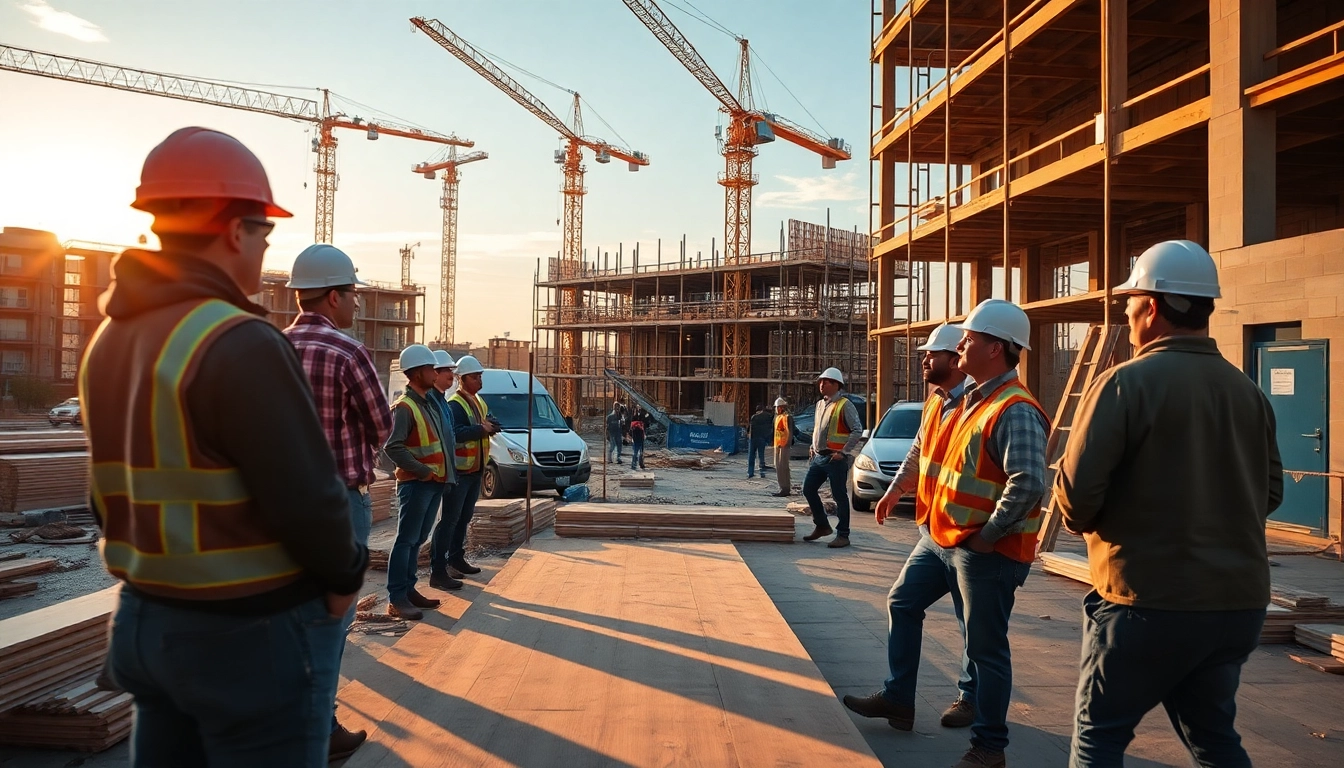
The Austin construction market is characterized by rapid growth and transformation, reflecting the city’s booming population and economic development. The demand for housing, commercial spaces, and infrastructure has surged, driven by Austin’s reputation as a tech hub and vibrant cultural center. This influx has created a competitive landscape where developers and construction companies are striving to keep pace with the rising needs of residents and businesses alike.
Current trends indicate a strong preference for urban infill and mixed-use developments as stakeholders seek to maximize land usage while adhering to sustainable practices. Additionally, the increased focus on transportation infrastructure, fueled by significant public funding, is prompting a shift towards modern construction techniques and materials that enhance efficiency and reduce environmental impact.
Green Building Practices and Sustainability
The construction industry is gradually embracing green building practices, influenced by community demands for environmental responsibility. Sustainable designs that incorporate energy efficiency, water conservation, and the use of renewable resources are becoming the standard in Austin. Techniques such as passive solar design, green roofs, and sustainable materials significantly contribute to reducing the carbon footprint of new constructions.
The rise of LEED accreditation among builders and developers indicates a commitment to sustainable practices, appealing to eco-conscious consumers. Moreover, as the city enforces stricter energy codes, there is a clear trend towards incorporating technologies that monitor and optimize energy usage in buildings, which is reshaping the construction landscape.
Innovative Materials Revolutionizing Austin Construction
Innovation in construction materials is pivotal to enhancing the durability, sustainability, and aesthetic appeal of new projects. In Austin, new materials such as cross-laminated timber (CLT) and advanced composites are gaining traction for their lightweight and environmentally friendly properties. CLT, for instance, offers engineers flexibility in design while promoting carbon sequestration.
Furthermore, the adoption of precast concrete panels and modular building systems allows for faster construction times and reduced waste, all while maintaining the highest quality standards. As material science advances, these innovative alternatives are expected to play a significant role in future developments across the city.
Key Techniques in Austin Construction Projects
Modern Construction Methods and Technologies
Modern construction methods are reshaping the way projects are delivered in Austin. Technologies such as Building Information Modeling (BIM) enable an integrated approach to planning, executing, and managing building projects, fostering collaboration among stakeholders. BIM provides a detailed digital representation of the physical and functional characteristics of a facility, helping to enhance decision-making processes and reduce errors.
Additionally, the construction industry is experiencing a shift towards prefabrication, where components are manufactured off-site before being transported and assembled on-site. This approach improves efficiency and quality, while also minimizing disruption and waste during the construction phase.
Safety Practices in Austin Construction Sites
Safety remains a paramount concern in the construction industry, especially in a bustling market like Austin. Implementing comprehensive safety protocols is essential to protect workers and ensure compliance with local regulations. Regular training sessions on safety practices, use of personal protective equipment (PPE), and job hazard analysis are standard measures applied in construction sites.
Moreover, the integration of technology in safety management, such as drones for site inspections and wearable safety devices for monitoring worker health, is becoming increasingly popular. This proactive approach to safety not only reduces accidents but also fosters a culture of accountability among workers and management.
Project Management Strategies for Successful Execution
Effectively managing construction projects requires a strategic approach that encompasses planning, execution, and review processes. In Austin, project managers are utilizing agile methodologies to enhance flexibility and responsiveness to unexpected challenges. This iterative process allows for constant improvement and quick adaptation to changes in project scope or resources.
Furthermore, adopting a collaborative project management tool facilitates communication and coordination among teams, enabling all members to stay informed about project developments and deadlines. As the industry evolves, these strategies will be crucial in delivering projects on time and within budget.
The Role of Local Regulations in Austin Construction
Permits and Licensing Essentials
Navigating the complex web of permits and licensing is a critical aspect of the construction process in Austin. Builders and developers must obtain various permits before breaking ground, which may include zoning permits, building permits, and environmental assessments. Understanding the local regulations and requirements is essential to avoid costly delays and ensure compliance throughout the construction process.
Local authorities often provide guidelines and resources to assist developers, making it essential for all stakeholders to collaborate closely with regulatory agencies from the project’s inception through completion.
Building Codes and Compliance Standards
Building codes in Austin are designed to enhance safety, health, and environmental sustainability. Adhering to these codes is not only mandatory but also a key factor in ensuring the long-term viability of structures. Builders must stay updated with any changes in the codes and ensure that their projects are compliant at every stage.
This compliance process can be complex, as codes often differ depending on the type of building and its intended use. Regular consultation with local building officials and industry experts is advisable to mitigate risks and ensure that constructed facilities meet all standards.
Impact of Zoning Laws on Construction Development
Zoning laws play a crucial role in shaping the urban landscape of Austin by regulating land use and density. Understanding these regulations is essential for developers to ensure their projects align with community standards and objectives. Zoning laws can affect everything from building height, setbacks, to the type of activities permitted on a property.
As the city continues to grow, modifications to zoning regulations are likely to occur, which can have significant implications for future developments. Engaging with community stakeholders and city planners can provide valuable insights and facilitate mutually beneficial outcomes.
Cost Analysis and Budgeting for Austin Construction
Estimating Construction Costs Accurately
Accurate cost estimation is a cornerstone of successful construction project management. In the dynamic Austin market, fluctuations in material costs, labor rates, and regulatory fees can affect overall project budgets. Employing a detailed cost estimation process that includes historical data, market trends, and contingency allowances ensures that projects remain financially viable.
Stakeholders should leverage construction cost estimation software to enhance precision and efficiency in the budgeting process. Additionally, regular reviews and updates to the budget help accommodate changes and maintain financial control.
Financing Options for Construction Projects
Securing financing is a critical step in the construction process. In Austin, various funding options are available, including traditional bank loans, government grants, and investment from private equity firms. Each option has its own requirements and implications, making it essential for developers to conduct thorough research and consult financial advisors to select the best fit for their projects.
Emerging trends such as crowdfunding and peer-to-peer lending are also gaining traction, providing additional avenues for securing project financing. Understanding the landscape of funding options can ultimately enhance project feasibility and success.
Managing Budget Overruns and Financial Risks
Budget overruns are a common challenge in the construction industry, particularly in a rapidly evolving environment like Austin. Effective risk management strategies must be adopted to identify potential financial pitfalls and mitigate their impact proactively. Utilizing tools such as risk assessment matrices can help stakeholders prioritize risks and implement appropriate contingency plans.
Moreover, maintaining clear communication channels among all parties involved can aid in early identification of issues that could impact financial performance, enabling timely resolution and preserving the project budget.
Future Outlook of Austin Construction Industry
Predicted Growth and Opportunities in Austin
The future of the Austin construction industry looks promising, driven by continuous population growth, economic diversification, and infrastructural development. As the market expands, opportunities for innovation and collaboration abound, particularly in sectors such as affordable housing, smart city initiatives, and green construction.
In the coming years, we can expect to see increased investments in infrastructure to support the booming population, further contributing to the demand for skilled labor and advanced construction technologies. This growth will necessitate ongoing education and training programs to prepare the workforce for future challenges.
Technological Advancements Shaping the Future of Construction
Innovation and technology are set to redefine the construction landscape in Austin. Developments such as artificial intelligence (AI) and machine learning can enhance project planning and execution while enabling predictive analytics to improve decision-making. The use of augmented reality (AR) and virtual reality (VR) in design processes allows stakeholders to visualize projects better and collaborate effectively before implementation.
Integrating these technologies not only boosts efficiency but also increases stakeholder satisfaction by providing more accurate project outcomes and timelines.
Career Opportunities and Workforce Development in Austin Construction
As the construction industry in Austin expands, the demand for skilled workers is projected to rise significantly. This burgeoning job market presents opportunities for career development and workforce advancement. Collaboration between educational institutions and industry leaders is crucial for aligning curriculum with the needs of the construction sector, ensuring a steady pipeline of qualified professionals.
Additionally, initiatives focused on diversity and inclusion are gaining traction, fostering a more equitable workforce environment. By promoting training programs and apprenticeship opportunities, stakeholders can enhance workforce readiness and contribute to a sustainable construction landscape in Austin.