Understanding Dry Skin and Its Needs
Dry skin is a common condition that can cause discomfort and irritation. To effectively combat this issue, it’s essential to understand its underlying causes and the specific needs of dry skin. For those seeking solutions, finding the best back loofah for dry skin is a step towards revitalizing your skin, promoting better hydration and overall skin health.
What Causes Dry Skin?
The causes of dry skin are varied and can include environmental factors, lifestyle choices, and underlying medical conditions. Common culprits include:
- Weather: Cold, dry air in winter months often leads to moisture loss.
- Hot showers: Prolonged exposure to hot water can strip natural oils from the skin.
- Harsh soaps: Some soaps and body washes contain sulfates that can irritate and dry out skin.
- Medical conditions: Conditions like eczema and psoriasis can lead to chronic dry skin.
- Aging: As we age, our skin loses its ability to retain moisture.
How to Identify Dry Skin Types?
Recognizing dry skin is essential for effective treatment and care. Signs of dry skin can vary, but commonly include:
- Flakiness: Peeling patches, particularly on the hands, feet, or face.
- Tightness: A feeling of tightness after washing or exposure to air.
- Itching: Pruritus is often a symptom accompanying dry skin.
- Redness: Inflamed areas that may appear when skin is excessively dry.
By identifying these factors, individuals can tailor their skincare regimen to specifically target dryness.
The Importance of Exfoliation
Exfoliation plays a crucial role in maintaining healthy skin, especially for those suffering from dryness. By removing dead skin cells, exfoliation allows for better absorption of moisturizers and treatment products, resulting in smoother, more radiant skin. However, it’s important to choose a gentle method to avoid exacerbating dryness.
Benefits of Using a Loofah for Dry Skin
Incorporating a loofah into your bathing routine can yield numerous benefits, particularly for those with dry skin. Here’s how:
How Loofahs Help with Exfoliation
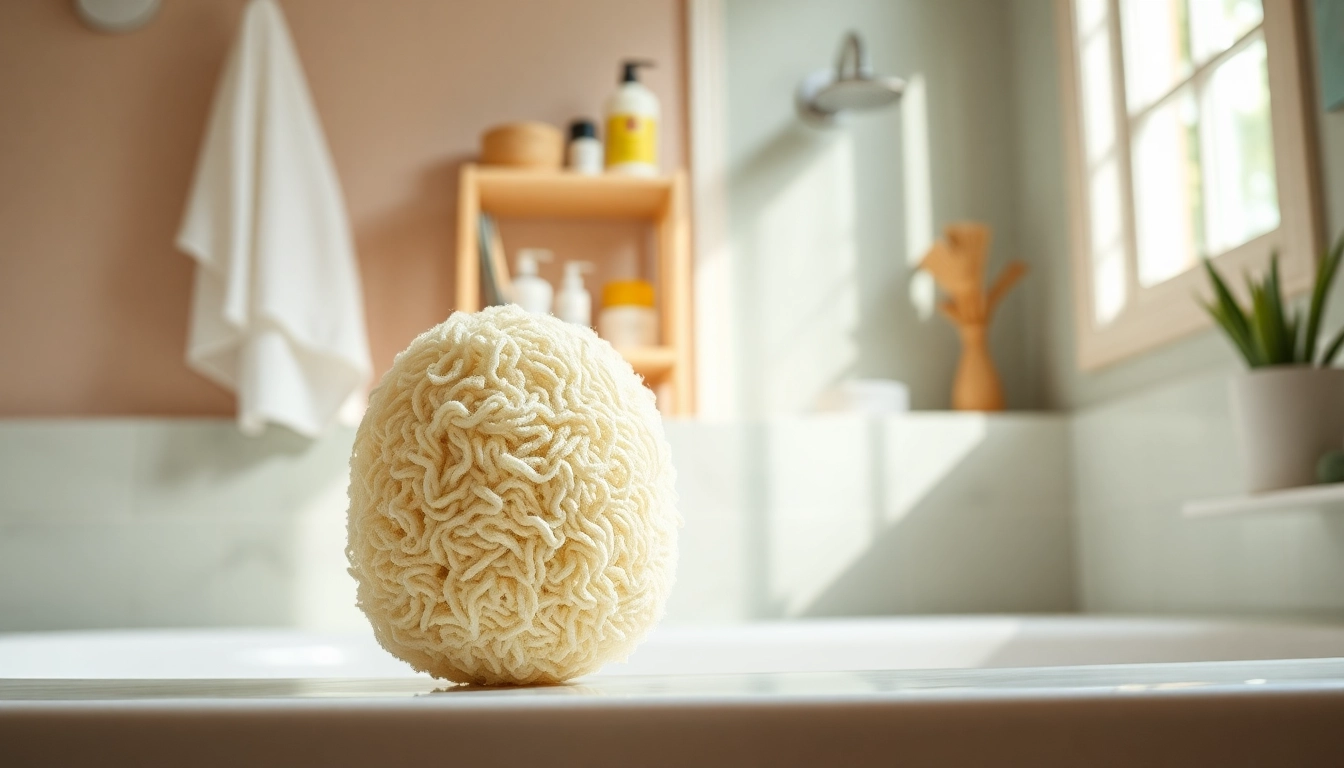
A loofah, whether natural or synthetic, provides an efficient means of physical exfoliation. By buffing away dead skin cells, loofahs can help reveal the fresh skin underneath, enhancing its texture and brightness. Remember to use a loofah gently to mitigate skin irritation.
Improving Circulation and Skin Health
Regular use of a loofah can also promote circulation in the areas where it is applied. Better blood flow means nutrients can efficiently reach skin cells, enhancing overall skin health. This increased circulation may also help with the delivery of moisture, which is particularly beneficial for dry skin.
Loofahs vs. Other Exfoliating Tools
Compared to other exfoliating tools such as brushes or sponges, loofahs offer a balance between effective exfoliation and gentle care. They are generally less abrasive than brushes, making them suitable for sensitive or dry skin while still effectively removing dead cells. Choosing the right tool is crucial to manage dryness and maintain skin’s health.
The Best Back Loofah for Dry Skin: Features to Look For
When seeking the best back loofah for dry skin, certain features can significantly enhance your bathing experience:
Material Types and Their Benefits
Loofahs come in a variety of materials, both natural and synthetic. Natural loofahs are derived from the loofah plant and are biodegradable, which makes them a more eco-friendly option. They are typically softer and more abrasive, making them ideal for those who desire thorough exfoliation. Synthetic loofahs, made from nylon or other synthetic fibers, may be gentler and easier to clean but might not provide the same level of exfoliation.
Size and Shape Considerations
The size and shape of a loofah are essential in accessing difficult areas, especially the back. A longer handle can allow for better reach, making it easy to scrub the back without straining. Some loofahs feature a dual-sided design – one side for exfoliating and the other for smoothing out the skin, which can be beneficial for overall care.
Durability and Care Instructions
Choosing a durable loofah will ensure that it lasts longer and remains effective. It’s important to consider care instructions as well. Natural loofahs require regular rinsing and proper drying to prevent bacterial growth, while synthetic options often need less maintenance. Always check the manufacturer’s guidelines to maintain its efficacy and lifespan.
How to Use a Loofah Effectively
To maximize the benefits of a loofah, employing the correct techniques is vital:
Best Practices for Applying Body Wash
Before using a loofah, lather your favorite body wash directly on it or in your hands before applying it to your skin. This ensures even distribution and better cleansing properties. Remember, a little product goes a long way when using a loofah.
Techniques for Gentle Exfoliation
When using a loofah, always apply gentle pressure and circular motions to avoid irritation. Exfoliate only once or twice a week to prevent over-exfoliation, which can lead to increased dryness. Listen to your skin and adapt your technique based on its reactions.
Aftercare: Hydrating Your Skin
After using a loofah, it’s crucial to apply a hydrating lotion or oil to your skin while it’s still damp. This step locks in moisture and helps manage dryness more effectively, ensuring that the skin remains soft and supple.
Frequently Asked Questions About Back Loofahs
What is the best way to clean a loofah?
The best way to clean a loofah is by rinsing it thoroughly after each use, then soaking it in a solution of warm water and vinegar to eliminate bacteria. Be sure to allow it to dry completely between uses.
How often should I replace my loofah?
You should replace your loofah every three to four weeks to prevent the buildup of bacteria. Regularly replacing it also ensures optimal exfoliating effectiveness.
Can I use a loofah with sensitive skin?
Yes, people with sensitive skin can use loofahs, but they should choose a softer, natural loofah and use it gently. Always test on a small area first to check for reactions.
What is the difference between natural and synthetic loofahs?
Natural loofahs are made from the fibrous plant material of the loofah gourd, providing more exfoliation, while synthetic loofahs are made from nylon or other materials, typically softer and absorbent but less abrasive.
Are loofahs better than washcloths for exfoliation?
Loofahs generally provide a greater level of exfoliation compared to washcloths due to their texture. They help remove dead skin cells while also promoting blood circulation, but should be used gently to prevent irritation.