
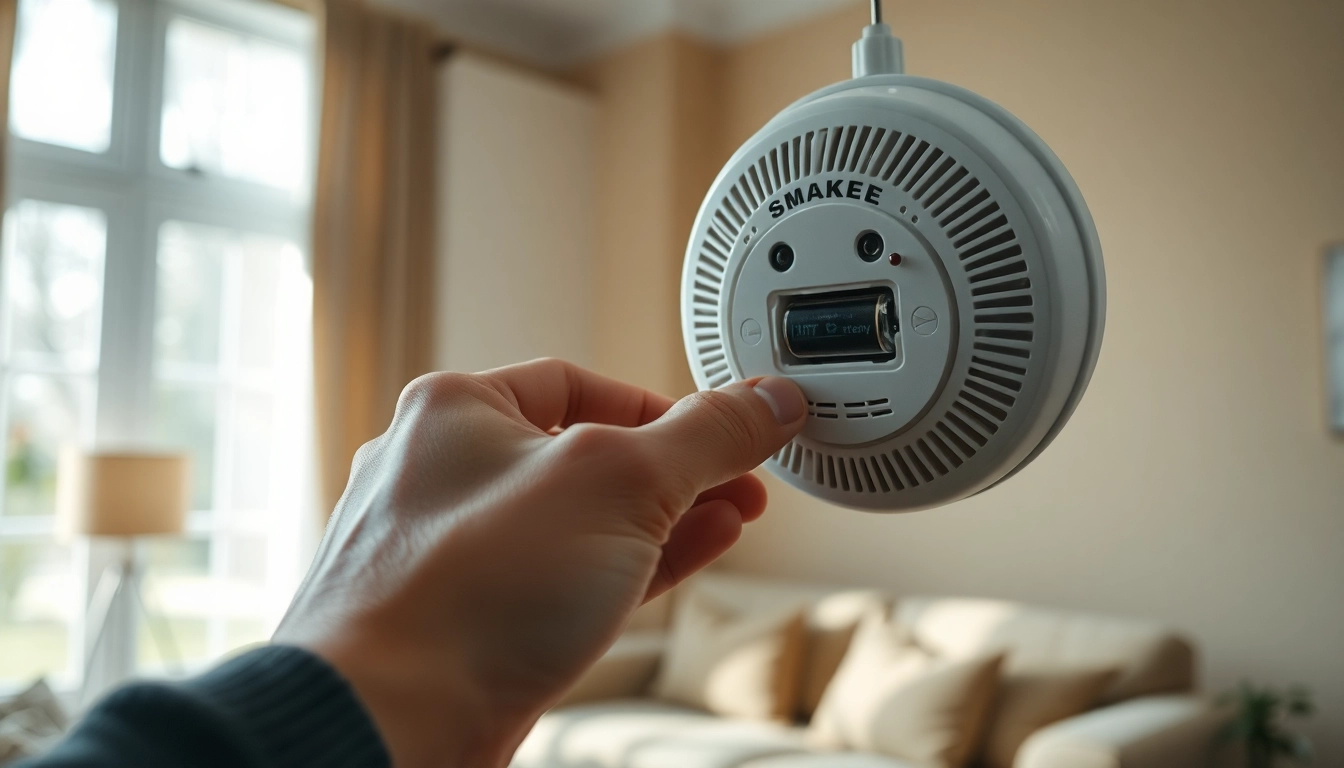
Understanding the Importance of Smoke Detector Batteries
Smoke detectors serve a critical role in household safety, acting as the first line of defense against the dangers of fire and smoke. However, a smoke detector is only as effective as its power source—the battery. Regular maintenance, including timely battery changes, is vital for ensuring that these life-saving devices function properly. In this article, we’ll explore the critical role that batteries play in smoke detectors, dispel common myths, and provide guidance on battery types, replacement techniques, and maintenance tips to maximize performance and longevity. Understanding the nuances of your smoke detector battery means not only protecting yourself and your home but also ensuring peace of mind.
1. Role of Smoke Detectors in Safety
Smoke detectors are essential devices designed to detect smoke as a primary indicator of fire. Their strategic placement throughout homes can significantly reduce the risk of fatalities resulting from fire-related incidents. According to the National Fire Protection Association (NFPA), smoke alarms reduce the risk of dying in a reported fire by 50%. Understanding this role is crucial for evaluating the significance of a properly functioning battery in smoke detectors.
In most homes, at least one smoke detector is installed on every level, including the basement and outside sleeping areas. These devices serve to alert occupants promptly, providing critical time to escape in case of an emergency. Regularly checking and maintaining the batteries ensures that the smoke detector can function correctly, especially during the night when the risk of fire can be heightened due to electrical appliances and cooking.
2. Common Myths About Smoke Detector Batteries
Despite their importance, there are many myths surrounding smoke detector batteries that can jeopardize safety. Some common misconceptions include:
- Myth 1: Once a year is enough to change the battery. Many believe that annual battery changes are sufficient. However, it’s recommended to check smoke detector batteries every six months and change them at least once a year.
- Myth 2: Any battery will work. This isn’t true. Smoke detectors often require specific types of batteries for optimal performance, usually 9-volt or lithium batteries, depending on the model.
- Myth 3: Hardwired smoke detectors don’t need batteries. While hardwired detectors do connect to the electrical system, they often still include a battery backup that needs maintaining. If the power goes out, this battery ensures functionality.
3. How Often Should You Change Your Batteries?
As previously mentioned, the general consensus is to change smoke detector batteries every six months—ideally during daylight saving time changes. However, some modern smoke detectors are equipped with long-life batteries that can last up to 10 years. In these cases, rather than changing the battery, you will need to replace the entire unit. It’s crucial to familiarize yourself with the manufacturer’s recommendations for battery replacement specific to your smoke detector model.
Moreover, it’s good practice to test the battery monthly. A great way to remember this is to perform the test when you perform routine fire safety drills, ensuring not only battery functionality but also familiarizing everyone with the alarm sound.
Types of Smoke Detector Batteries Available
1. Alkaline vs. Lithium Batteries
When it comes to the batteries powering smoke detectors, the two most common types are alkaline and lithium batteries. Each offers distinct advantages and potential drawbacks:
Alkaline Batteries
Alkaline batteries are widely available and generally more affordable. They typically have a shorter lifespan and may only last for about 6 months to a year in smoke detectors. Despite this, they can be a viable option if you remember to check and replace them regularly.
Lithium Batteries
Lithium batteries, while typically more expensive upfront, offer a longer life span—often up to 10 years or more. This means you won’t have to worry about frequent changes, making them a convenient option for busy households. Furthermore, most lithium batteries are designed to work seamlessly with long-life smoke detectors, reducing the risk of battery failure.
2. Rechargeable Smoke Detector Batteries
Some smoke detectors come equipped with rechargeable batteries, which can be incredibly convenient as they minimize the need for battery replacements. Typically, these batteries charge when the smoke detector is hardwired to your home’s electrical system. However, users should remain vigilant, as rechargeable batteries can also lose their ability to hold a charge over time.
It’s essential to check that these batteries are functioning correctly, as failure to do so could leave your home vulnerable. As with all smoke detector batteries, regular testing and maintenance ensure safety.
3. Selecting the Right Battery for Your Detector
Selecting the right battery for your smoke detector is crucial for its functionality. It’s important to consult the smoke detector’s user manual to determine the compatible battery type. Ensuring you have the right connection type, voltage, and size can prevent malfunction or failure.
When selecting a battery, consider factors such as environmental conditions where the detector is located, the battery’s life expectancy, and whether you’re willing to invest in rechargeable batteries. Environmental factors like extreme heat or cold can affect battery performance, so be sure to consider placement when selecting your power source.
Step-by-Step Guide to Replacing Your Smoke Detector Battery
1. Gathering Necessary Tools and Materials
Before you begin replacing your smoke detector battery, you need to gather the tools and materials. Typically, all you need is a new battery that fits your smoke detector model and a flathead or Phillips screwdriver—depending on your smoke detector type. Ensure that the new battery is fresh and not expired for optimal performance.
2. Safe Removal of the Smoke Detector
Safety should always come first when dealing with smoke detectors. Follow these steps for a safe removal:
- Turn off the power – If your smoke detector is hardwired, switch off the circuit breaker.
- Remove the detector from the mounting bracket. Often, these devices twist off or have a slide mechanism.
- Disconnect the wires gently if it is a hardwired model, noting where each wire connects.
3. Installing the New Battery Correctly
After you have safely removed the smoke detector, it’s time to install the new battery:
- Insert the new battery, ensuring that it is oriented correctly according to the positive (+) and negative (-) markings inside the battery compartment.
- Reconnect the wires if necessary, ensuring a secure connection.
- Reattach the smoke detector to its mounting bracket, ensuring it is firmly in place.
Finally, restore power to the smoke detector if it is hardwired.
Testing Your Smoke Detector After Battery Replacement
1. How to Perform a Function Test
After installing the new battery, performing a function test is critical. Press the test button on the smoke detector for several seconds. If the alarm sounds, the detector is functioning properly. If it does not, check to ensure the battery is installed correctly or if there are any issues with the smoke detector’s circuitry.
2. Understanding Alarm Indicators
Many modern smoke detectors come equipped with LED lights that indicate their operational status. Typically:
- Green light: The smoke detector is functioning properly.
- Red light: The alarm is triggered, or there is an issue, such as a low battery.
- Flashing light: Indicates that the unit requires maintenance or that the battery is, indeed, low.
Familiarizing yourself with these indicators can prevent potential hazards before they escalate.
3. Importance of Regular Maintenance
Regular maintenance is crucial to ensuring your smoke detector operates as expected. This includes not only battery replacement but also cleaning the unit of dust and debris, which can obstruct sensors. Additionally, ensuring that smoke detectors are tested monthly can catch any issues early, ensuring that these critical devices remain fully operational.
Best Practices for Long-Lasting Smoke Detector Battery Life
1. Proper Installation Techniques
Proper installation can significantly affect battery performance. Ensure that the smoke detector is installed in locations where air circulation is optimal, away from kitchen fumes, high humidity spaces, or near air vents, as these can impact functionality. For best results, prioritize installation on ceilings or high walls, as smoke rises.
2. Environmental Factors Affecting Battery Life
Environmental factors play a significant role in battery longevity. Extreme temperatures and humidity can reduce battery performance and life. Keeping detectors in controlled environments can aid in maintaining battery efficiency. Furthermore, smoke detectors located near windows can be influenced by the changing weather, affecting the detector’s functionality.
3. When to Consider Upgrading Your Smoke Detector
Smoke detectors come with expiration dates—typically around 10 years from the date of manufacture. Replacing older models is crucial, as outdated technology may not deliver the same level of safety and efficiency as current models. Consider upgrading to smart smoke detectors that can integrate with home automation systems, providing alerts via smartphone notifications and improved monitoring features.

